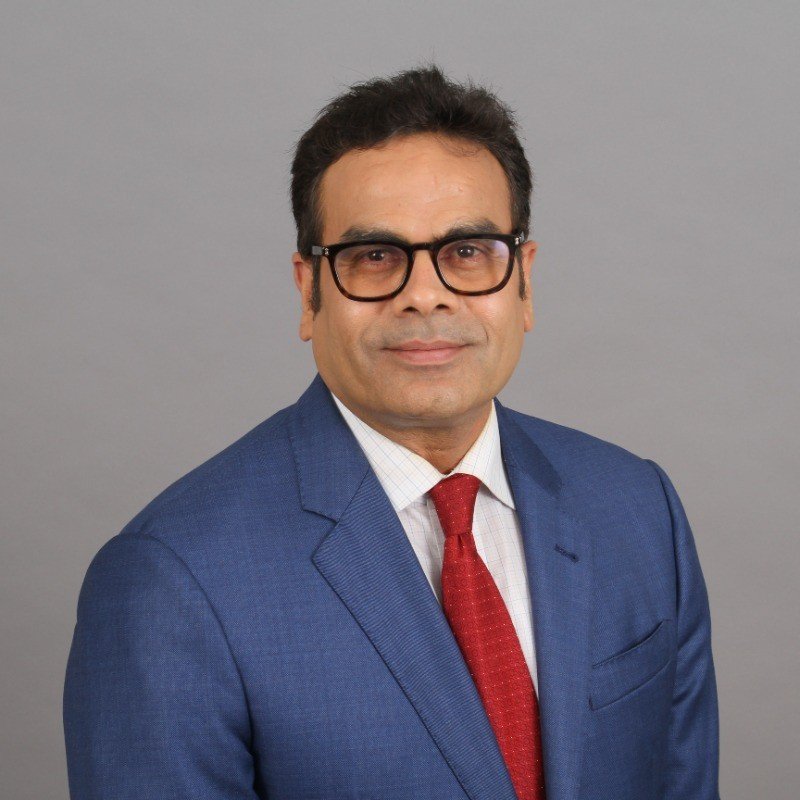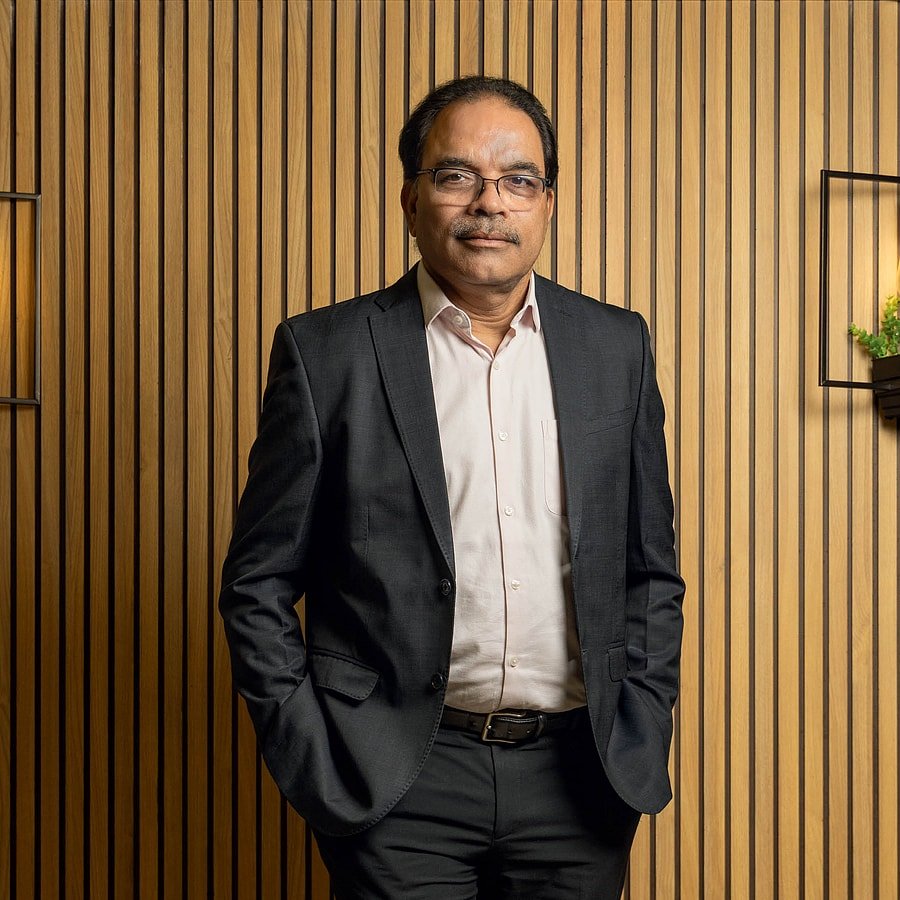
On 7 August 2026, Sudhir Sitapati told analysts about new product launches, plans to take Godrej’s pet care business beyond Tamil Nadu, and a commitment to lift India volume growth by 100 basis points a quarter. That same day, shareholders approved his reappointment for five more years.
Three days later he resigned. The stock fell as much as 10 per cent.
The exit nobody saw coming
The sequence is what makes this remarkable. The Godrej Consumer Products board recommended his reappointment on 6 May. Shareholders approved it at the annual general meeting on 7 August. His new term was due to begin on 18 October and run to 2031. He wrote to executive chairperson Nisaba Godrej on 10 August, and the resignation took effect on 11 August.
His stated reason was short and unusually final: “I feel that the task I had set for myself here is done and this is the right time to move on.”
Companies rarely lose a chief executive four days after shareholders have voted to keep him. Reuters called the exit sudden. The board met for ten minutes to confirm the change and announced it after market hours. By the next morning Godrej Consumer had shed a tenth of its value, which is the market’s way of saying it had been counting on him.
What he actually did there
Sitapati joined Godrej Consumer in October 2021 from Hindustan Unilever, where he had spent more than 22 years. He arrived at a company with strong brands and an unfashionable reputation: Good Knight, HIT, Cinthol, Godrej Expert. Household names that had stopped being talked about.
What he brought was a specific and public philosophy about how consumer goods companies work, most of it set out in his book The CEO Factory, which argued that Hindustan Unilever’s real product was not soap but management method, and that the method could be written down and taught.
Few Indian chief executives do that. Most keep their operating theory private. Sitapati published his, which means the Godrej years were a test of a thesis he had already committed to in print, in front of everyone who had read it.
Why the timing matters more than the exit
His departure lands in the middle of a generational handover across the whole Godrej group. Pirojsha Godrej was due to succeed Nadir Godrej as chairperson of the $20 billion Godrej Industries group on 14 August, three days after the resignation, as Nadir Godrej turned 75.
So a professional chief executive left at almost exactly the point the controlling family was reorganising succession across the wider group. At GCPL itself, Nisaba Godrej remains executive chairperson.
His replacement is the company’s own global chief financial officer, Aasif Malbari, who was also running the Africa business. The appointment reads as continuity, and as finance.
The pattern worth naming
Sitapati belongs to a specific and influential group: the Hindustan Unilever alumni who now run large parts of Indian consumer goods. Twenty-two years inside that company is an education the rest of the industry actively recruits from.
What separates him from the others is that he wrote the education down. Whatever comes next, he is one of the few Indian business leaders whose operating method can be read rather than inferred, and that makes him unusually easy to hold to account and unusually useful to learn from.
What to watch
Two things. First, where he goes. A 22-year Unilever veteran with a completed five-year turnaround and a published management philosophy, leaving at his own timing rather than anyone else’s, is the most available senior consumer-goods executive in India.
Second, whether the market was right to panic. A 10 per cent fall says investors thought the company’s direction was tied to one person. If Malbari holds the plan and the numbers, that judgement was wrong and the strategy was more durable than the share price implied. If it drifts, Sitapati mattered more than the board’s ten-minute meeting suggested.
The record
Sources
- Reuters , the exit and the succession, 11 August 2026
- Bloomberg , the share price reaction, 12 August 2026
- Mint , his resignation letter, the AGM timing and the analyst call three days earlier
- exchange4media , the full quote, 12 August 2026
- Moneylife , the board sequence and the wider Godrej succession
- India Today , investor reaction, 12 August 2026
- Godrej Consumer Products, leadership page, Nisaba Godrej, Executive Chairperson, checked 15 October 2026
Questions people ask about Sudhir Sitapati
Who is Sudhir Sitapati?
Sudhir Sitapati was the Managing Director and CEO of Godrej Consumer Products until he resigned on 11 August 2026, days after shareholders had approved his reappointment through 2031. He joined GCPL in 2021 after more than 22 years at Hindustan Unilever.
Why did Sudhir Sitapati leave Godrej Consumer Products?
He resigned on 11 August 2026, four days after shareholders voted to reappoint him as CEO through 2031. No detailed public explanation of his personal reasoning has been given beyond his own statement that “the task I had set for myself here is done.”
Who replaced Sudhir Sitapati as CEO of Godrej Consumer Products?
Aasif Malbari, who had been the company’s global chief financial officer and president of its Africa, Middle East and International business, was appointed Managing Director and CEO on 12 August 2026.
What did Sudhir Sitapati do before Godrej Consumer Products?
He spent more than 22 years at Hindustan Unilever before joining GCPL in 2021. He is also the author of the book The CEO Factory, about Unilever’s management culture.
What was Sudhir Sitapati's salary at Godrej Consumer Products?
Godrej Consumer Products’ annual report for FY26 shows his remuneration as managing director and chief executive as ₹31.54 crore: ₹6.97 crore salary and allowances, ₹4.29 crore performance-linked pay, ₹0.31 crore provident fund contribution and ₹19.97 crore monetary value of perquisites. Source: GCPL annual report FY26.