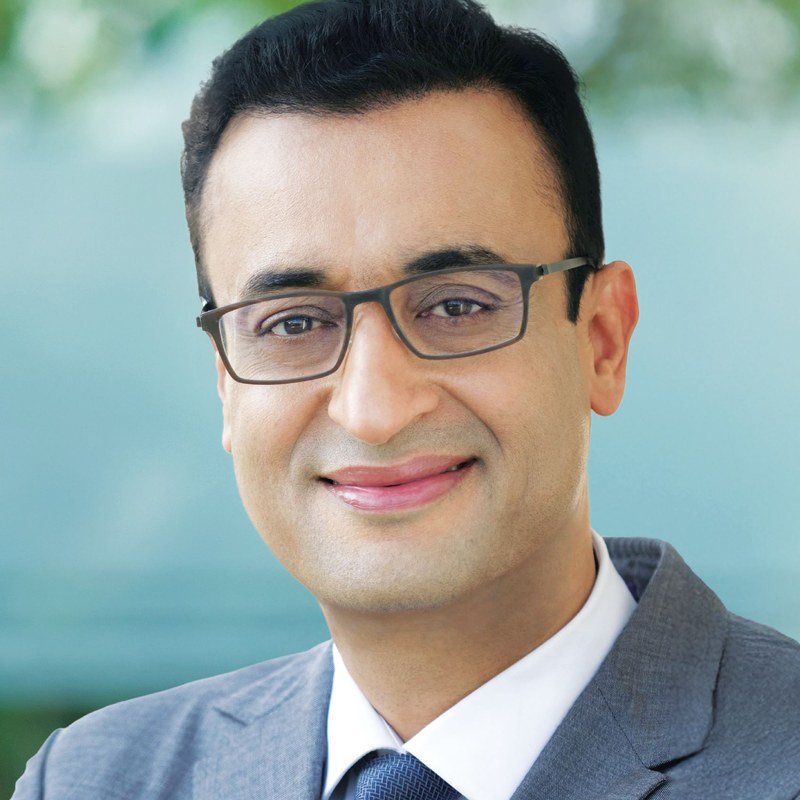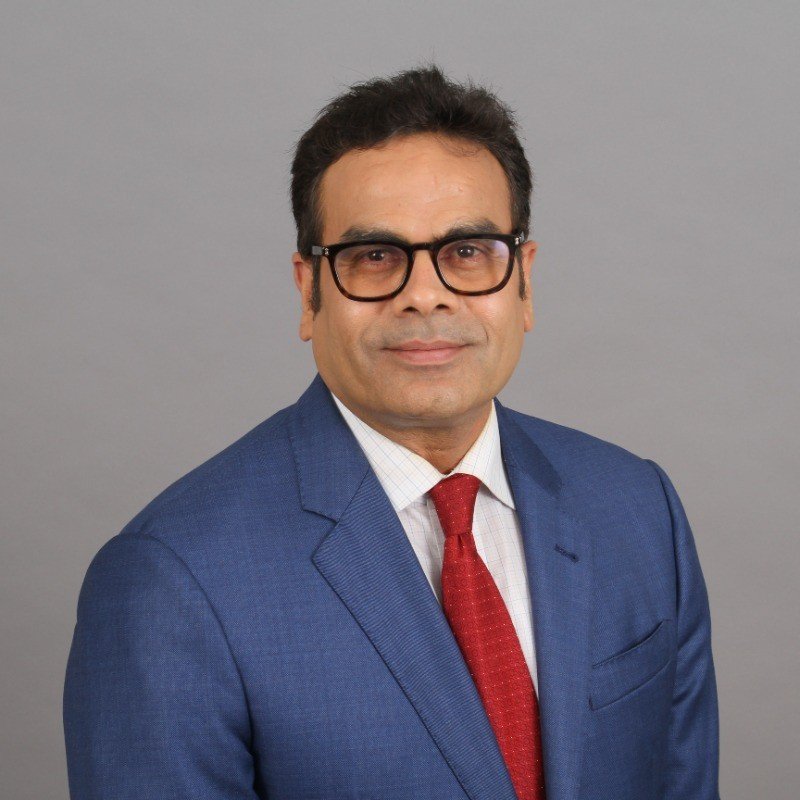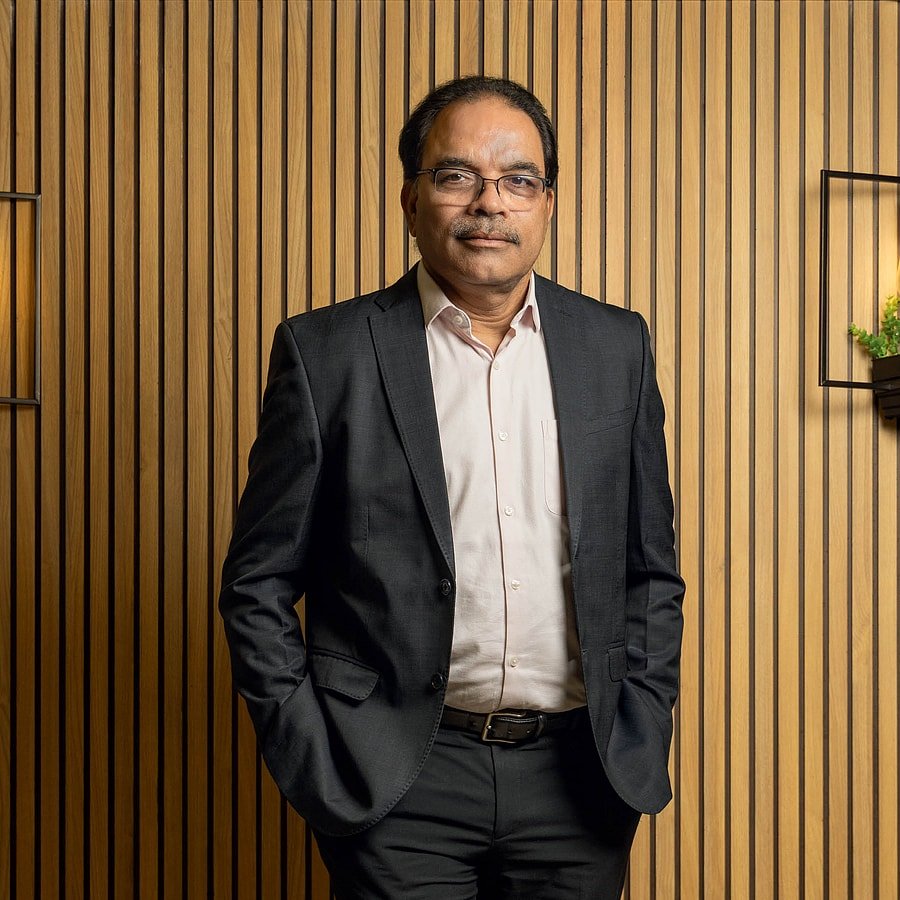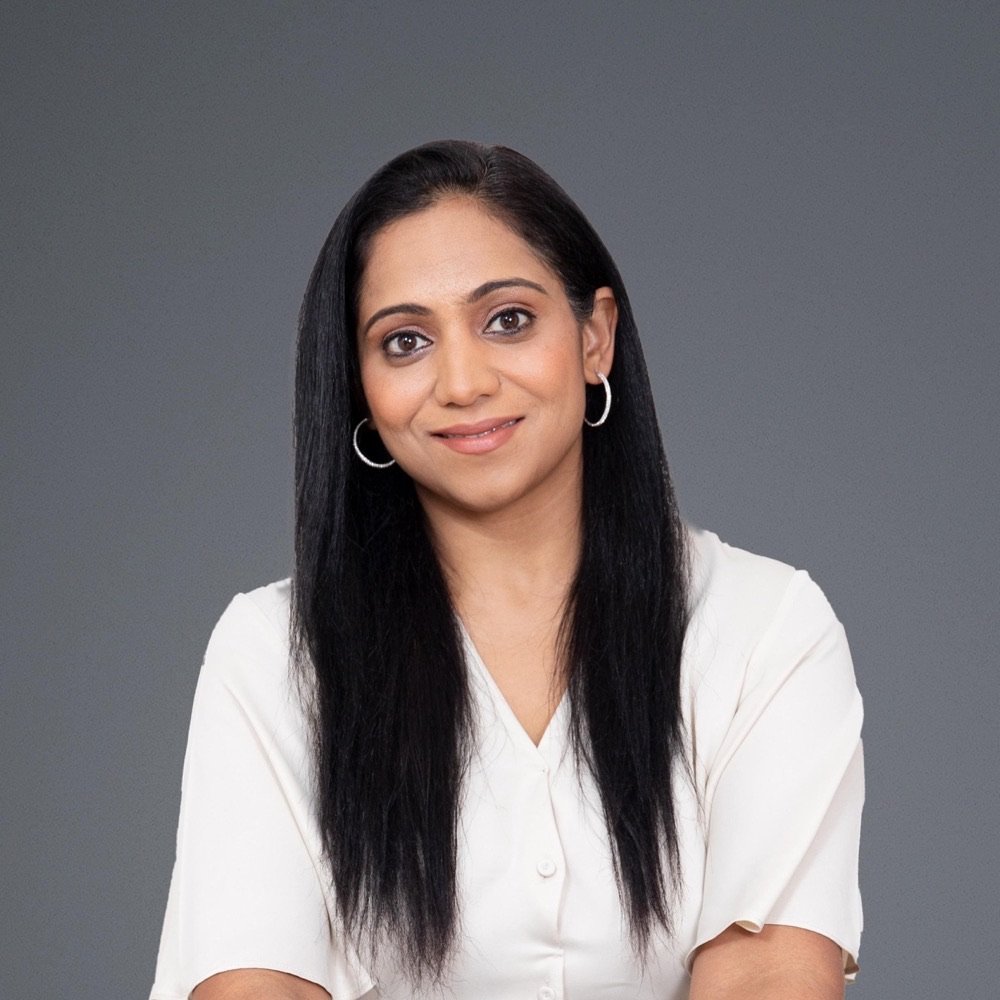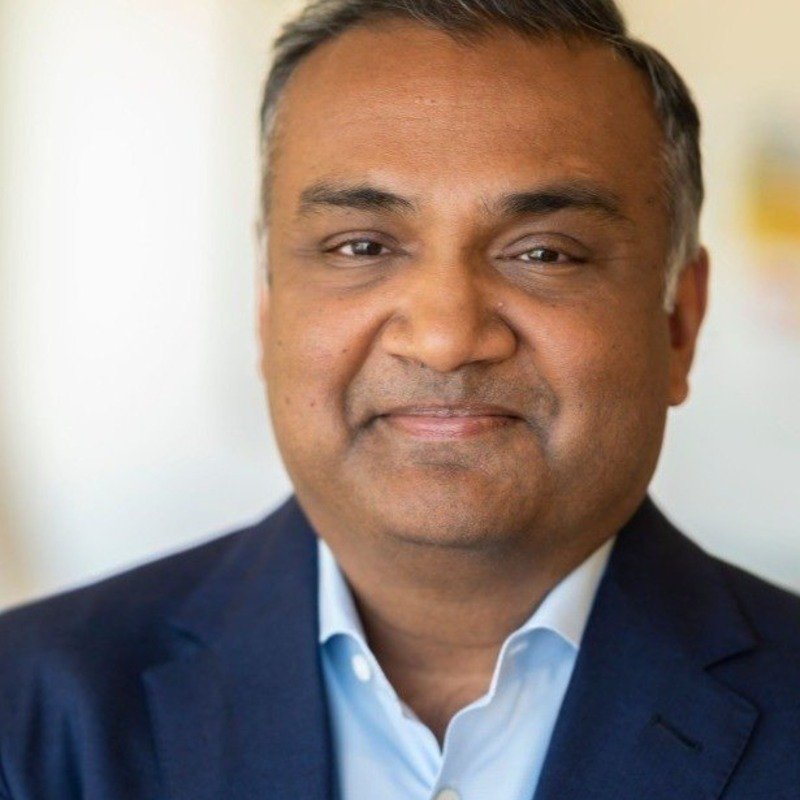
Neal Mohan spent seven years of his childhood in Lucknow, the city his parents were from, after his family moved there from Michigan when he was twelve. Looking back on it decades later, he did not describe the move as hard because it was India. He described it because of what he left behind: “I was upset at losing my friends.”
He came back to the US for Stanford, joined an ad-tech startup called NetGravity in 1997, and stayed with it through its acquisition by DoubleClick and DoubleClick’s acquisition by Google for $3.1 billion in 2007. By 2011, Twitter wanted him badly enough to try to hire him as chief product officer. Google reportedly paid him $100 million in stock to keep him instead. In February 2023, Google made him CEO of YouTube.
The product chief who built the thing he now runs
Mohan joined YouTube as chief product officer in November 2015, arriving from Google’s core ad business with a mandate that touched almost everything a viewer sees: YouTube TV, YouTube Music, YouTube Premium, and later YouTube Shorts, the short-form product built to compete directly with TikTok. He also ran Trust and Safety through some of its hardest years, including a 2020 policy expansion on extremist content and a Congressional appearance. When Susan Wojcicki announced she was stepping down in February 2023 after nearly nine years running YouTube, she did not frame it as an open search. “Neal Mohan was one of those leaders,” she wrote to staff, of the executive she had recruited years earlier. “I’ve spent nearly 15 years of my career working with Neal… Neal is the right person to lead us.”
The job he inherited is now, by Alphabet’s own account, bigger than Netflix. YouTube’s combined advertising and subscription revenue passed $60 billion for full-year 2025, and Nielsen has ranked it the single largest distributor of US television watch-time for six straight months through mid-2025, at 13.4% of all TV viewing, ahead of Disney’s 9.4%. Mohan has put a number on the daily audience himself: “the two billion people that come to YouTube every single day.”
The verdict that landed on his desk
In March 2026, a Los Angeles jury found Google and Meta liable in the first social media addiction trial to reach a verdict, ruling both companies had acted with “malice, oppression, or fraud” in how they built their platforms for young users. The jury apportioned 30% of the responsibility to YouTube. A Google spokesperson pushed back on the premise itself, saying the verdict “misrepresents YouTube, which is a responsibly built streaming platform, not a social media site.” One juror, afterward, was blunter about the intent: “We wanted them to feel it.” A law professor watching the case, Villanova’s Peter Ormerod, called the result “a momentous development” while cautioning “I don’t think it is an unequivocal victory… one step in a much longer saga.” YouTube appealed; a judge rejected its bid to overturn the verdict in June 2026, and the case was still moving through the California Court of Appeal as of July.
Mohan himself was not called to testify, a contrast reporters covering the case noted given his position running the platform. The distinction the company is fighting for in court, streaming service versus social network, is also the distinction his entire product strategy has been built on for a decade.
What he says the job actually is
Weeks before the verdict, in an interview for a New York Times Magazine piece headlined “What Is YouTube’s Dominance Doing to Us? We Asked Its C.E.O.,” Mohan described the thing he optimises for in plain terms: “We measure ourselves by this concept of whether viewers, all of us, the two billion people that come to YouTube every single day, are satisfied by their experience.” The magazine’s own framing of him was less neutral. TIME, naming him its 2025 CEO of the Year two months earlier, called him “the pilot of the world’s most powerful distraction machine,” adding: “Neal is the farmer; what he cultivates will be what we eat.”
Those two sentences, his and TIME’s, describe the same platform from opposite ends of the same argument. The trial is asking a court to decide which one is closer to true. Mohan is running the platform while that question is still unresolved on appeal.
The record
Sources
- TIME, Neal Mohan Is TIME’s 2025 CEO of the Year, 8 December 2025
- Music Business Worldwide, reproducing Susan Wojcicki’s staff letter in full, 16 February 2023
- AP News, Instagram and YouTube found liable in landmark social media addiction trial, 25 March 2026
- AP News, YouTube appeals jury verdict in social media addiction trial, 16 July 2026
- The New York Times Magazine, What Is YouTube’s Dominance Doing to Us? We Asked Its C.E.O., 28 March 2026
- Alphabet Q4/FY2025 earnings release, YouTube revenue and subscriber figures, 4 February 2026
- Nielsen, Media Distributor Gauge press release, YouTube’s US TV watch-time share, 26 August 2025
- LinkedIn, role history, checked 19 August 2026
Questions people ask about Neal Mohan
Who is Neal Mohan?
Neal Mohan is the CEO of YouTube, a role he has held since February 2023. He previously spent eight years as YouTube’s Chief Product Officer, and joined Google through its 2007 acquisition of DoubleClick.
When did Neal Mohan become CEO of YouTube?
He was named CEO on 16 February 2023, succeeding Susan Wojcicki, who had run YouTube for almost nine years.
What did Neal Mohan do before becoming CEO of YouTube?
He was YouTube’s Chief Product Officer from November 2015, overseeing YouTube TV, YouTube Music, YouTube Premium, YouTube Shorts and Trust and Safety. Before that he spent years at Google’s core advertising business, and at DoubleClick and NetGravity before Google acquired DoubleClick in 2007.
What is Neal Mohan's educational background?
A BS in Electrical Engineering and an MBA, both from Stanford University.
What is the YouTube social media addiction trial?
In March 2026, a Los Angeles jury found YouTube and Meta liable in the first social media addiction trial to reach a verdict, awarding $6 million in damages and apportioning 30% of the responsibility to YouTube. YouTube has appealed; the case was still before the California Court of Appeal as of July 2026.
How big is YouTube under Neal Mohan?
YouTube’s combined advertising and subscription revenue exceeded $60 billion for full-year 2025, per Alphabet’s own earnings release, and Nielsen ranked it the largest single distributor of US TV watch-time for six consecutive months through mid-2025.