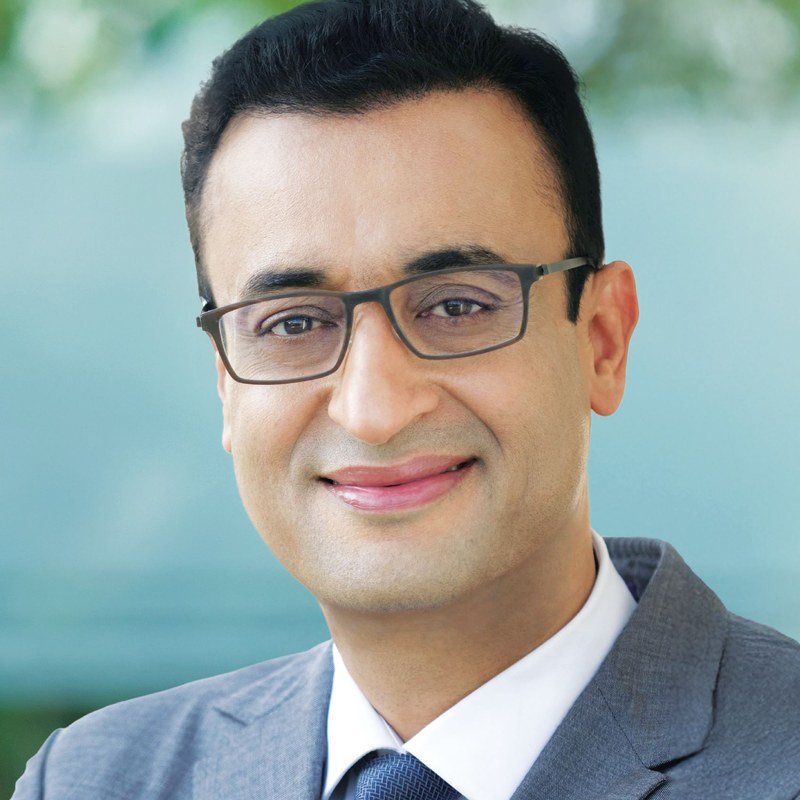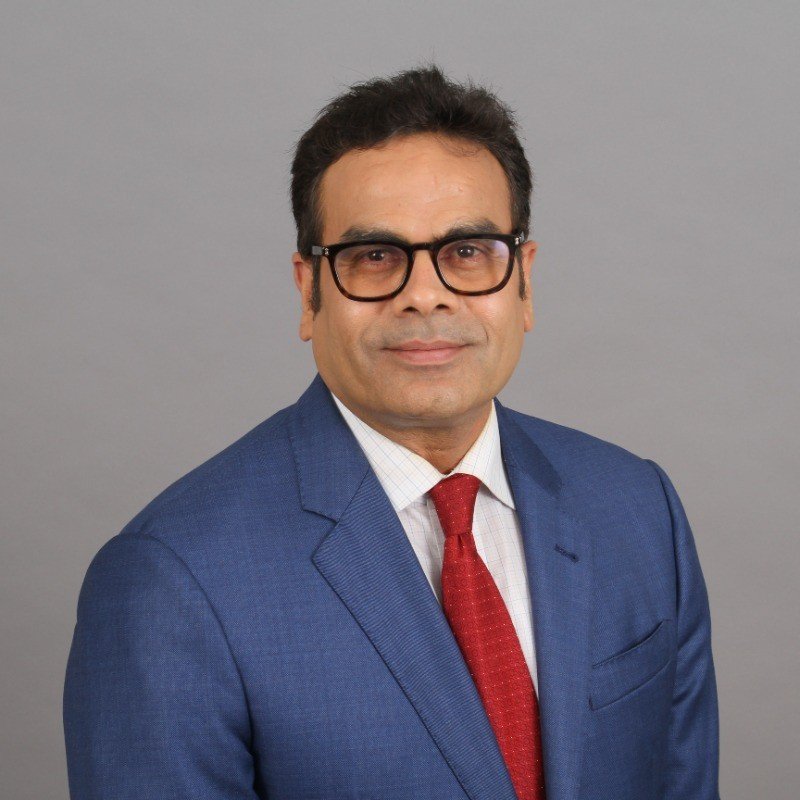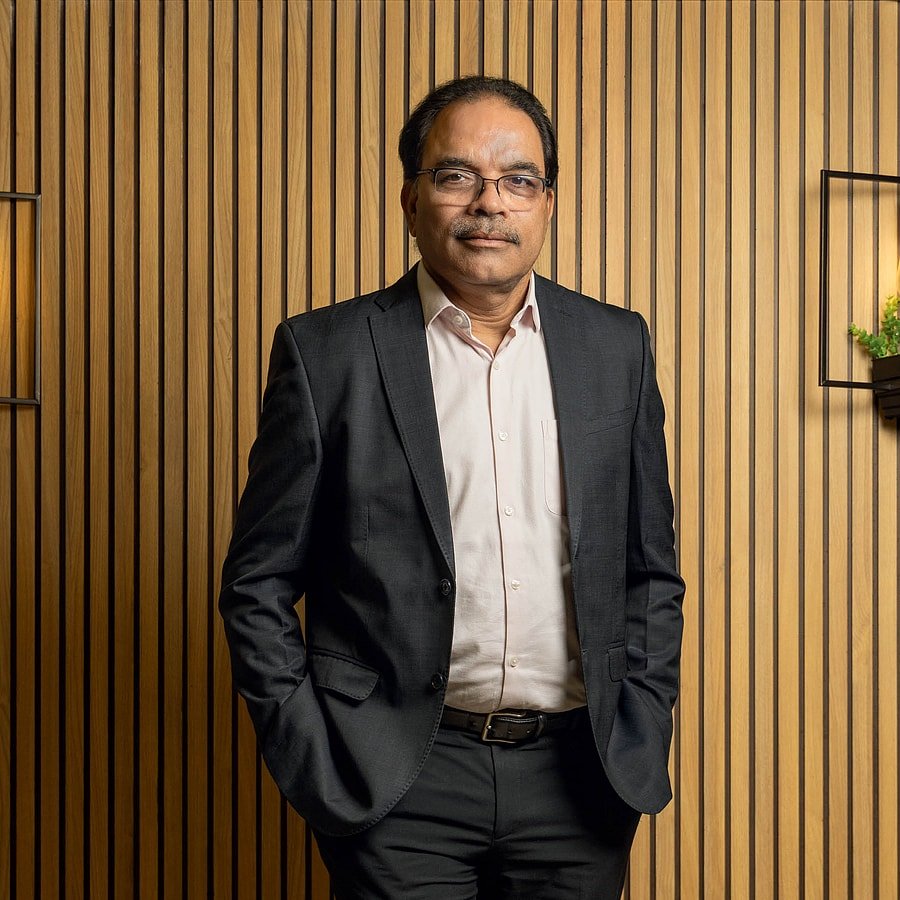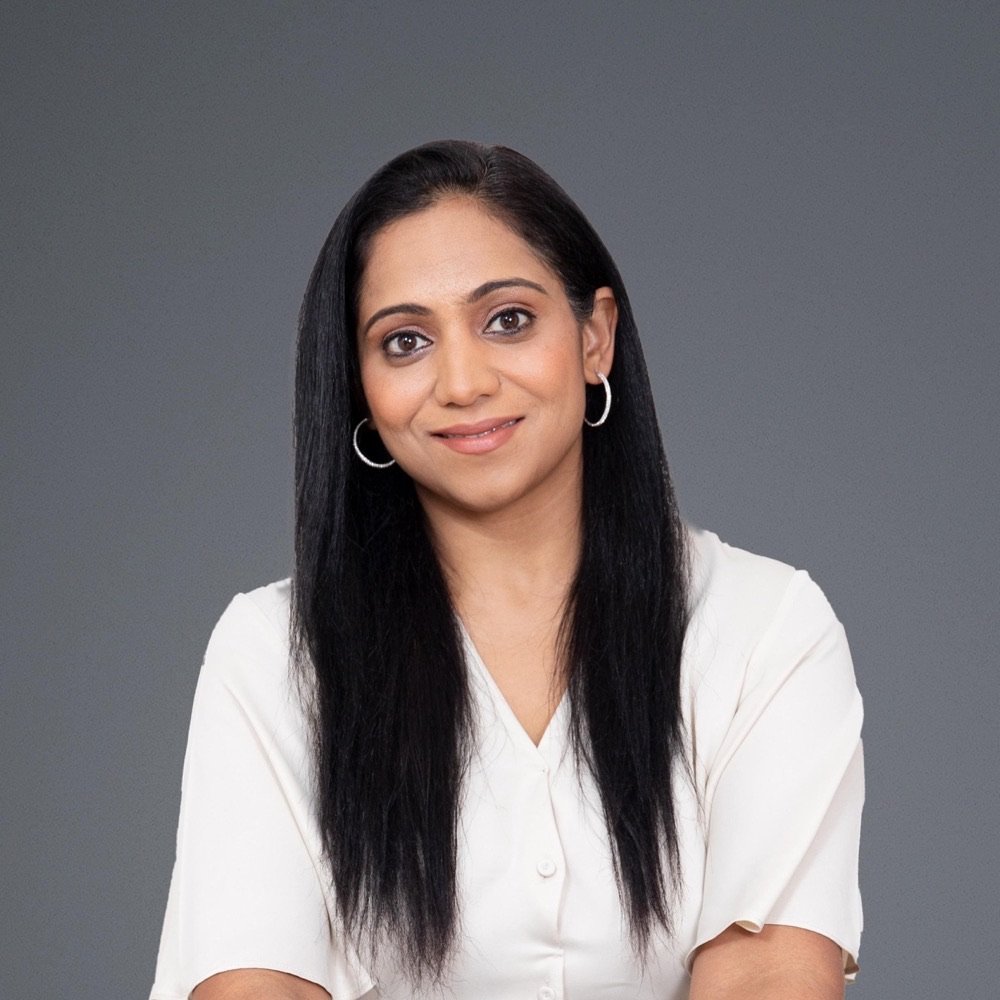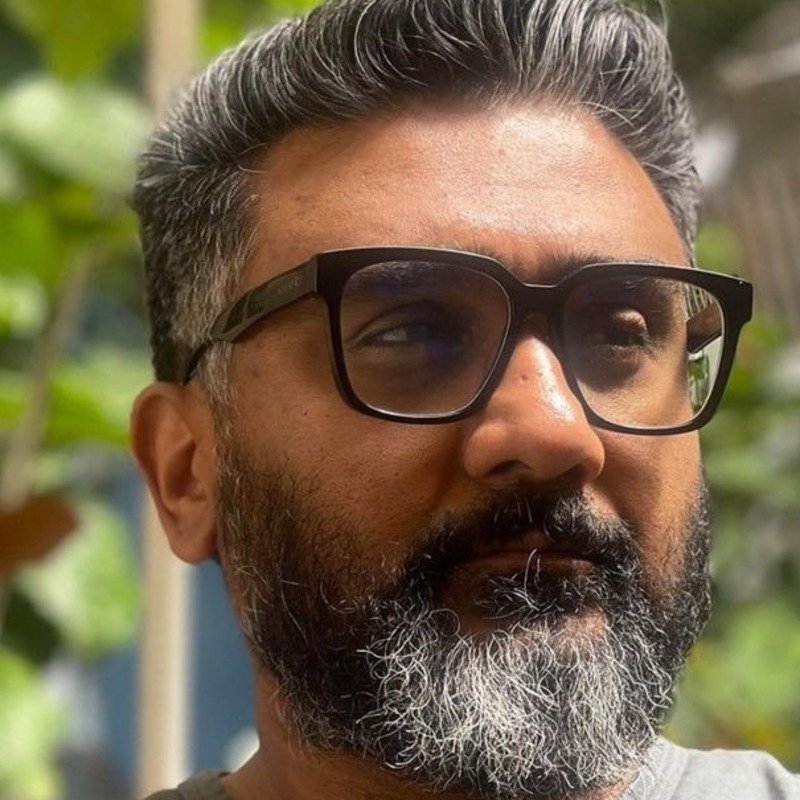
Twice now, Kunal Shah has taken something Indians treat as a chore and made it feel like a privilege: first the mobile recharge, then the credit card bill.
In June 2026, Meta put $900 million into CRED and made Shah the global head of WhatsApp, a product used by more than three billion people. He is the first Indian to run it, and he arrives with sixteen years of practice at the exact problem Meta has failed to solve.
The trick he keeps pulling
In 2010 he co-founded FreeCharge on a premise nobody found interesting: topping up a mobile phone. The insight was that the transaction itself was worthless as a product, so he attached something people wanted to it: free coupons equal to what you spent. Recharging stopped feeling like spending. Snapdeal bought it in 2015 for a reported ₹2,800 crore, then the largest consumer internet deal India had seen.
In 2018 he did it again with a duller object still: the credit card bill. CRED’s design decision was to refuse most people entry. You needed a credit score above 750 to get in. A bill payment app became a filter, and paying on time became something worth telling people about.
By the time he left, CRED had more than 17 million members, had posted its first profitable quarter, and was running at roughly $325 million in annual revenue.
How he made a credit card bill famous
On 9 April 2021, the opening day of the IPL, CRED released a 23-second film in which Rahul Dravid, the most placid man in Indian cricket and the one they call The Wall, has a full road-rage meltdown in Bengaluru traffic and screams that he is Indiranagar ka gunda.
It passed a million views inside an hour. On the opening day of the IPL, it out-trended both Royal Challengers Bangalore and Mumbai Indians. Four million views followed in four days. Zomato posted that deliveries in Indiranagar might run late “due to an angry gunda on the road”, then had to clarify it was joking. One study later found 17% of respondents recalled the ad unprompted.
There was a system behind it. CRED’s campaigns kept casting beloved figures against their public character. Jackie Shroff did Zumba. Kumar Sanu sold insurance. Nineties cricketers were reassembled as a retro boy band. Every one of them leaned on nostalgia hard enough that viewers got the joke before they got the product. A fintech company with a narrow, wealthy user base bought itself the cultural footprint of a mass consumer brand.
The other job he has been doing all along
Shah has made more than 200 angel investments, among them Razorpay, BharatPe, Ola and Unacademy. He spent 2016 as a part-time partner at Y Combinator and 2017 advising Sequoia Capital. For most of the last decade, a large share of India’s consumer internet founders have passed through a conversation with him.
He is also unusually public about how he thinks. His podcast appearances and posts circle the same preoccupations: trust, incentives, and why people do what they do. Founders who have never met him quote him back. Operators who are also widely read thinkers are uncommon anywhere and close to unique in India.
He built all of it without the credential that ordinarily gates these rooms. Shah studied philosophy at Wilson College and walked out of an MBA at NMIMS before finishing. No engineering degree, no IIT, no IIM. He started working at fifteen to support his family, selling henna cones and running a cyber cafe.
What he has actually been handed
In India, WhatsApp works as infrastructure rather than as a messaging app, the layer small businesses, families and government notices all run on. Meta has spent years trying to turn that ubiquity into payments and commerce, and WhatsApp Pay has spent those years losing to PhonePe and Google Pay in the one market where it should have been unbeatable.
Which is a fair description of the problem Shah has solved twice already: an enormous, boring, daily behaviour that nobody has made desirable.
Nikhil Pahwa, who edits MediaNama, reads the appointment the same way. “This looks less like a payments appointment and more like Meta choosing a founder with experience in scaling the business side of a consumer business.” Shweta Rajpal Kohli of the Startup Policy Forum, who has worked with him on policy for years, points to a rarer combination: “a rare ability to bring a product lens to regulatory complexity, and a regulatory lens to product design.”
Nobody has gone from a members-only app for a few million Indians to a platform used by a third of the planet. He is three months into finding out, in the most interesting job in consumer technology, and an Indian founder has it.
The record
Sources
- Reuters , Meta invests $900m in CRED, 22 June 2026
- BBC , The Indian entrepreneur taking charge of WhatsApp, 23 June 2026. Source of the Pahwa and Kohli quotes
- The New Indian Express , the making of Indiranagar ka Gunda, and the million views in an hour
- Social Samosa , CRED’s nostalgia campaigns, view counts and the 17% recall figure
- exchange4media , industry reaction to the Dravid campaign, 10 April 2021
- Wikipedia , education, FreeCharge sale, angel investment count
- LinkedIn , role dates, checked 18 August 2026
Questions people ask about Kunal Shah
Who is Kunal Shah?
Kunal Shah is an Indian entrepreneur who became global head of WhatsApp at Meta in June 2026. He founded CRED in 2018 and co-founded FreeCharge in 2010, which Snapdeal acquired in 2015. He holds a BA in Philosophy from Wilson College, Mumbai.
Why did Kunal Shah leave CRED?
He left to become global head of WhatsApp at Meta, announced on 22 June 2026 alongside Meta’s $900 million investment in CRED. No public statement has explained his personal reasoning beyond the announcement itself, so any account of his motive is speculation.
Is Kunal Shah still involved with CRED?
Not in a management or board capacity. He relinquished promoter status on 22 June 2026 and was reported in July 2026 to have left the board. He retains roughly 20% of the company through personal holdings and his family investment office, QED Innovation Labs LLP.
Who is the CEO of CRED now?
Miten Sampat, who had been CRED’s head of strategy and finance since 2020, was named interim CEO in June 2026.
How much did Meta invest in CRED?
$900 million, announced on 22 June 2026, valuing CRED at approximately $4.5 billion.
Who did Kunal Shah replace at WhatsApp?
Will Cathcart, who had run WhatsApp before the June 2026 change.
What did Kunal Shah do before CRED?
He founded PaisaBack, a retailer cashback platform, in 2009, which he pivoted into FreeCharge with Sandeep Tandon in August 2010. Snapdeal acquired FreeCharge in April 2015 for a reported ₹2,800 crore, around $400-450 million. He left in October 2016, then spent time as a part-time partner at Y Combinator and an advisor to Sequoia Capital.
What is Kunal Shah's educational background?
A BA in Philosophy from Wilson College, Mumbai. He enrolled in an MBA at Narsee Monjee Institute of Management Studies and left in 2004 without completing it. His lack of an engineering or IIT-IIM credential drew wide comment in India when the WhatsApp appointment was announced.
When was CRED founded?
April 2018, according to Shah’s own LinkedIn record.