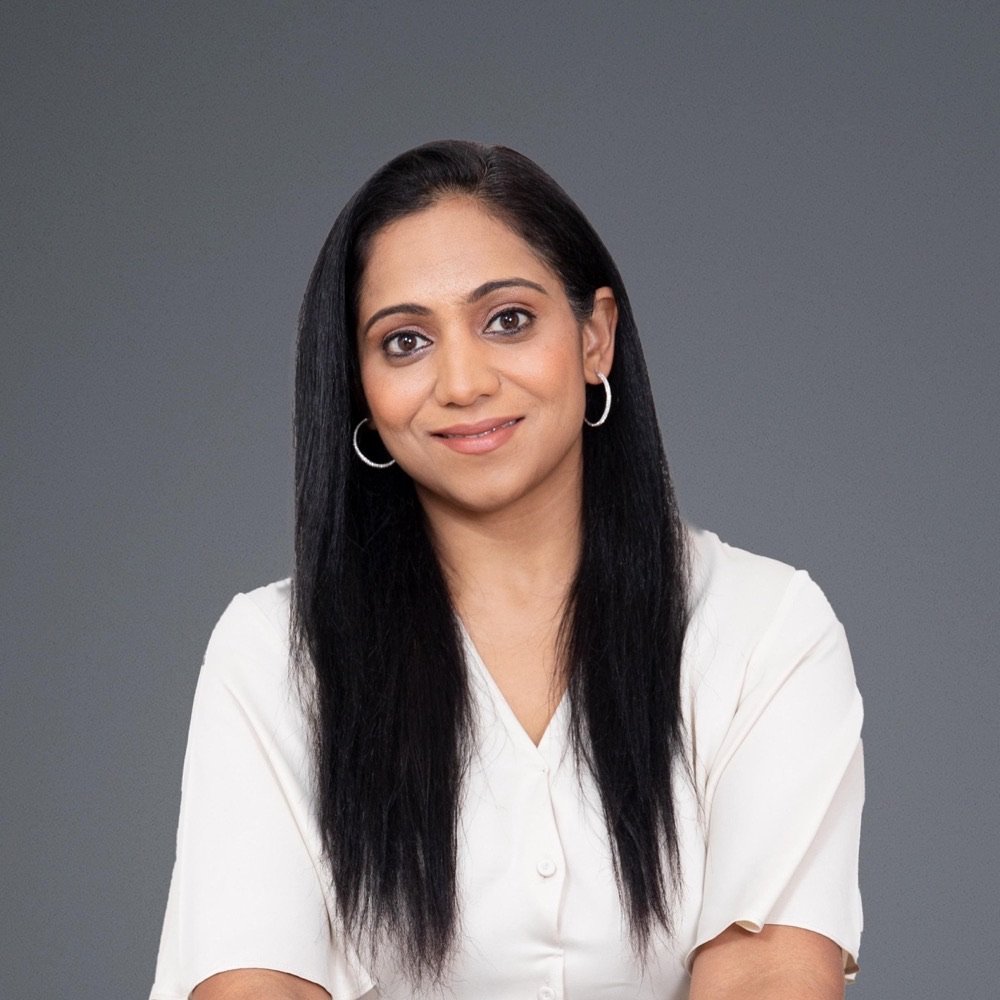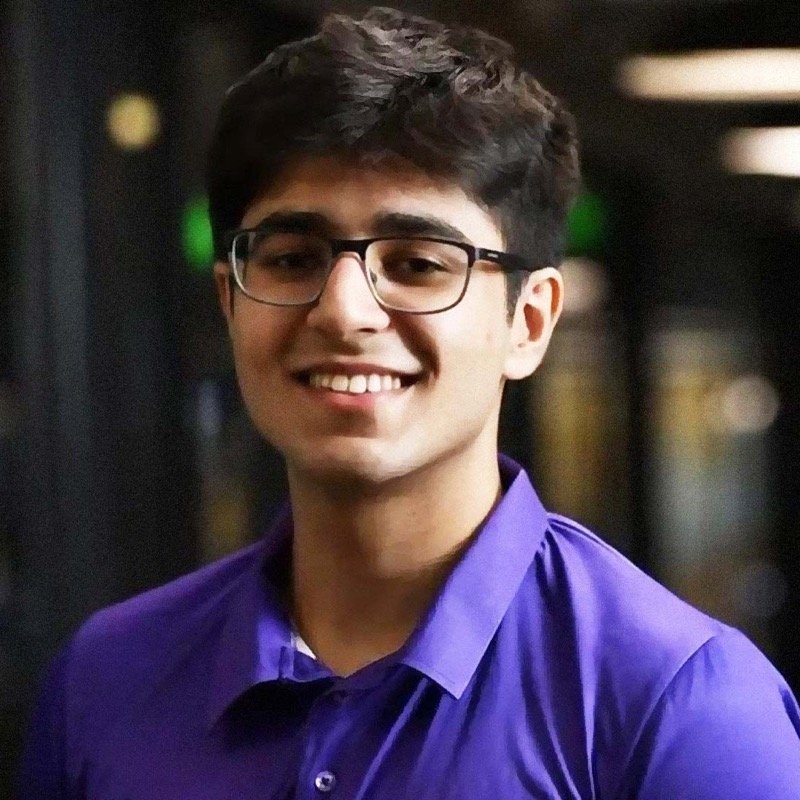
The first warehouse was his co-founder’s apartment. Aadit Palicha recalls that he and Kaivalya Vohra put stock there after finding that their earlier grocery service gave them too little control over what customers received and when. KiranaKart collected from existing neighbourhood shops. A local stockroom let the founders organise more of the work themselves.
The change added responsibility. They had to decide what to keep, how to replenish it and how to get it out of the door. Palicha’s useful instinct was to take those problems inside the operation rather than leave a delivery promise dependent on a shop’s processes. He and Vohra changed the service before expanding it.
Palicha now runs Zepto Limited as Managing Director and Chief Executive Officer. The company’s updated draft prospectus dated 8 June 2026 records average daily orders placed on its platform rising from 3,63,033 in FY2024 to 9,09,881 in FY2025 and 17,53,915 in FY2026. Its reported year-end dark-store count went from 337 to 1,029 to 1,139 over those years. That is the organisation built around the early experiment, with Vohra and the teams running its technology, stores and supply chain.
He changed the part of the service that the first app did not control
In his Y Combinator interview published 19 May 2026, Palicha remembers delivering groceries himself and asking customers for a short conversation at the doorstep. They were not simply asking for an attractive app. Their complaints concerned selection, price, quality and delivery times.
His account begins with a WhatsApp group for neighbours during the pandemic, followed by the KiranaKart app. Collecting from existing shops was an accessible way to start. It also left the founders unable to determine enough of the customer experience. He dates the move to small warehouses to early 2021 and remembers demand concentrating in the neighbourhood served by their own stockroom.
The apartment was followed by a makeshift warehouse experiment in Juhu and then a proper warehouse. He describes trying a small version, watching customers respond and changing the arrangement again. The larger system emerged from those adjustments, rather than arriving as a finished distribution plan.
Y Combinator partner Jared Friedman, who worked with him as his group partner in the accelerator, recalled Palicha "constantly trying things and constantly experimenting". It is a mentor’s recollection of how he worked, and a more useful description than the familiar college-dropout label.
He waited for evidence before making the college choice permanent
Palicha calls his own account of choosing the business over Stanford "a less heroic answer". He describes taking time away from the college route while the service developed repeat customers. As he remembers it, the business was already handling about 10,000 orders a day when the founders decided to commit to it.
There was investor interest by then, too. His point to the audience was that a founder should have evidence of a working product before taking the larger risk. He describes postponement, observation and then commitment, rather than one dramatic leap before anything had worked.
His formal educational qualification is an International Baccalaureate diploma from GEMS Modern Academy in Dubai. The business supplied the next education. Customers gave immediate feedback, and running a stockroom made the consequences of a selection or replenishment decision tangible.
He talks about groceries even when the machinery gets complicated
Remove the software and the dark stores, Palicha says, and Zepto is "an atta dal chawal company". It sells the things a household needs repeatedly. His list of operating questions runs through assortment, store layout, replenishment algorithms, trucking and the tasks of pickers, packers and delivery partners.
He argues that a rupee saved across the supply chain can help the customer or pay for better selection and delivery. That gives the engineering work a practical destination. Software, hardware and automation are ways of getting ordinary products to a household with less waste and expense.
The company’s reported orders per operating store-day rose from 1,325 in FY2024 to 1,565 in FY2025 and 1,677 in FY2026. This is a network throughput measure, calculated from orders and operational store-days. It does not say that every new store was equally busy.
Asked how he had kept learning, Palicha credited the experienced management team. He describes asking finance colleagues how accounting policies work and operations colleagues how the hardware and software work. "We shamelessly ask questions," he says. He gives the people around him a substantial part in his own development, rather than treating the larger operation as the work of two founders alone.
The bigger network still has to earn its cost
The financial test remains open. Under Zepto’s own definition, free cash flow per order was negative ₹93.43 in FY2024, negative ₹160.56 in FY2025 and negative ₹67.63 in FY2026. The latest year improved on FY2025, after the earlier deterioration, but was still negative.
This is a company cash-flow measure divided by orders, not the profit on an individual basket. Its calculation includes capital investment and other cash-flow adjustments. The group also reported a net loss in each of those financial years. In those filed results, more demand and more stores were not enough to make it a profitable consolidated business.
The prospectus sets out the management’s objective of scaling order volume while improving free cash flow per order. In his account, the first pivot began by asking customers why the service was not working for them. The harder question for Palicha is where he and his team can take cost out without giving customers a reason to leave. Does the willingness to question and rebuild a small service survive when the operation is this large?
The record
- 2020: Began the neighbourhood grocery service that became KiranaKart, according to his public account.
- 2021: Describes the move to small warehouses; Zepto’s prospectus dates commencement of business operations to July 2021.
- 4 February 2025: Became a director of Zepto Limited, per the prospectus.
- 23 December 2025: Start of the five-year MD/CEO term recorded by Zepto Limited.
- 19 May 2026: Y Combinator published his conversation with Jared Friedman.
- 8 June 2026: Date of the updated draft prospectus used for the operating, pay and direct-shareholding figures.
Sources
- Zepto Limited, Updated Draft Red Herring Prospectus-I, dated 8 June 2026. Physical PDF167-168/printed 162-163: annual operating KPIs and definitions. PDF29/printed 24: consolidated losses. PDF255/printed 250: financial objective. PDF301/printed 296: MD/CEO term and directorship. PDF303/printed 298: education and responsibilities. PDF305-306/printed 300-301: gross remuneration and direct shareholding.
- Zepto official governance page, opened 24 October 2026. Current executive profiles and board.
- Y Combinator, Zepto: How Two 17-Year-Olds Built India’s Largest Seller Of Fruits and Vegetables, published 19 May 2026. Caption ranges:3:12-4:46 college decision;5:57-9:14 customer conversations and warehouse pivot;12:04-15:07 Friedman’s recollection;15:07-19:58 supply chain;26:48-28:45 learning from the management team. Publication date is not asserted as the recording date.
Questions people ask about Aadit Palicha
Who is Aadit Palicha?
Aadit Palicha is Managing Director and Chief Executive Officer of Zepto Limited and a co-founder of the business with Kaivalya Vohra.
When did he become MD and CEO of Zepto Limited?
The company’s updated draft prospectus dates his five-year MD/CEO term from 23 December 2025 and his directorship from 4 February 2025. These legal appointment dates are separate from the earlier founding of the service.
What is his operating record?
In his public Y Combinator interview, Palicha describes how he and Vohra moved KiranaKart from collecting groceries at existing shops to a local fulfilment model. The company reported 17,53,915 average daily orders placed on the platform in FY2026, compared with 3,63,033 in FY2024, while remaining loss-making. These are company outcomes, not an attribution of all execution to one founder.
Did Aadit Palicha graduate from Stanford?
His public interview describes choosing the business over his Stanford plans. The prospectus records an International Baccalaureate diploma from GEMS Modern Academy, not a completed Stanford degree.