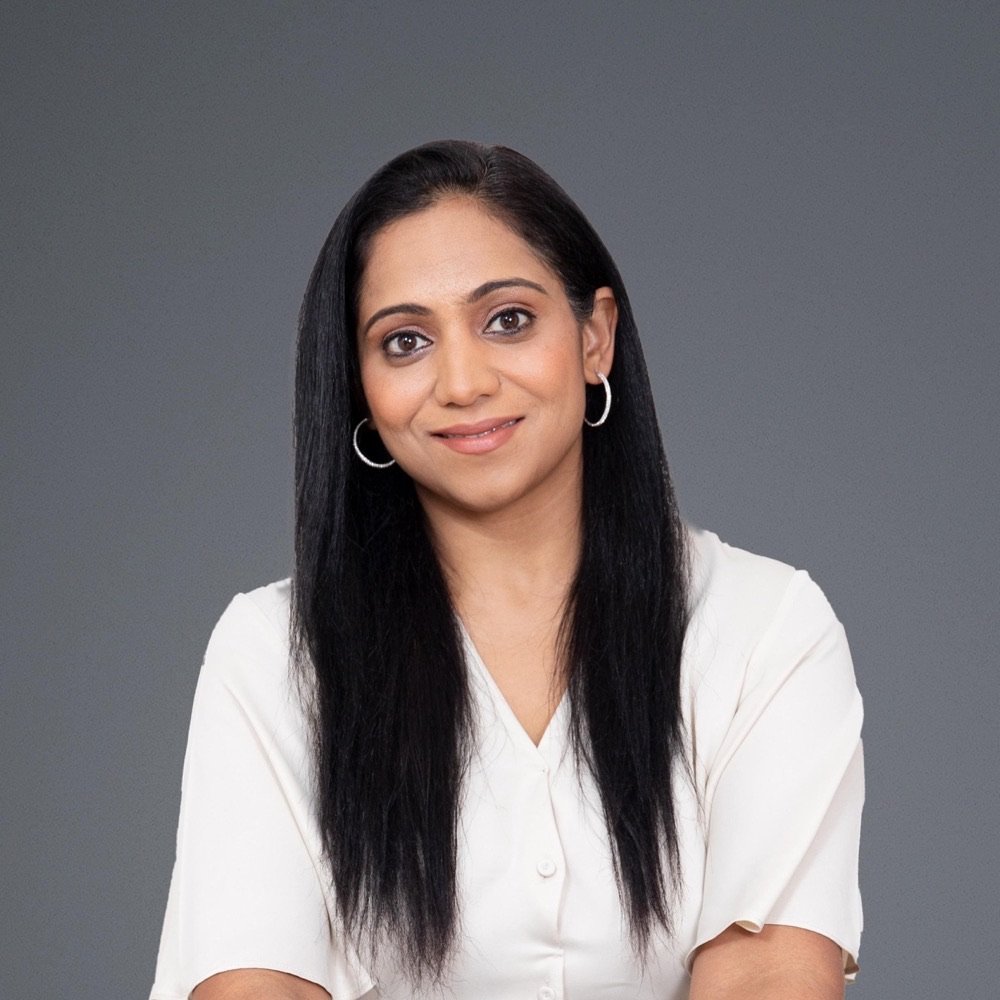
For twenty years, Leena Nair’s job was to argue for the people making the products, not to run the businesses that made them. She started on a factory floor in India as the first woman on the night shift. She rose without ever running a business unit, a factory or a profit and loss line. By 2016 she was Unilever’s chief human resources officer, the first woman, the first Asian and the youngest person to hold the post in the company’s history.
In December 2021, the family that owns Chanel picked her to run it. The Wall Street Journal’s headline the day it broke said more than any quote could: “Chanel Picks Luxury Industry Outsider Leena Nair as Its Next CEO.”
Twenty-nine years in one building, then a jump to a different world
Nair joined Hindustan Unilever in 1992 straight out of her MBA at XLRI Jamshedpur, where she graduated a gold medallist. She spent the next two decades inside the company’s Indian operations: factory personnel manager, employee relations manager, HR manager, and by 2007 executive director and the first woman on Unilever’s South Asia leadership team. In 2012, after twenty years in India, she moved to Unilever’s London headquarters to run global leadership development and diversity and inclusion. Four years later, in 2016, Unilever made her chief human resources officer and a member of its top leadership executive, a seat she held until Chanel called.
She was recruited personally by Alain Wertheimer, who with his brother Gérard owns Chanel through the family that has controlled it since 1954. Nair took over from Wertheimer himself, who had been running the house day to day since predecessor Maureen Chiquet’s 2016 exit and moved into a newly created Global Executive Chairman role once Nair arrived. She had never worked in fashion, never run a P&L, and had spent her career on the side of a company that makes soap and tea, not $10,000 handbags.
The year the numbers went the wrong way
Chanel’s 2024 results, its third full year under Nair, gave the skeptics their evidence. Revenue fell 4.3% at comparable rates, the first decline since the pandemic, and operating profit dropped roughly 30%, from $6.4 billion to $4.5 billion, as luxury spending in mainland China slowed sharply. The house also underperformed its closest rivals that year: Hermès grew revenue 14.7% and LVMH grew 1%, while Chanel fell. Asked by WWD to explain the gap with its peers, chief financial officer Philippe Blondiaux declined, saying only, “we never compare ourselves with competition.”
It was the first hard test of the thesis behind her hiring: that the discipline of running Unilever’s people function at scale would transfer to running a house whose entire value depends on not looking like it is being run by a spreadsheet. For a year, the numbers said it hadn’t transferred yet.
How she actually spent the first year
Before any of that, Nair’s first year at Chanel looked less like a strategy relaunch and more like a listening tour with a passport. She visited 25 regional offices, 40 manufacturing sites and more than 100 points of sale, guided, she has said, by the principle “seek to understand before you seek to change.” She has also been direct about how different the muscle memory is: “One is about mass, mass, mass, get it out there,” she told the Wall Street Journal of her old industry. “This is about rarity, precious, fewer. It’s a completely different world.” Of the move itself, her own words were plainer still: “If somebody told me I would have the chance to do what I’m doing today, I would not have believed them.”
By 2025, the numbers had turned. Chanel’s revenue rose to roughly $19.3 billion and operating profit to $4.7 billion, a rebound that trade coverage tied partly to the buzz around Matthieu Blazy, the new artistic director Nair’s Chanel appointed in late 2024. One good creative season does not settle the argument for or against her. It only means the harder version of the question is still open: whether an operating discipline built inside Unilever’s supply chains can hold Chanel’s growth up across a full cycle, or whether a single collection just bought the house some time.
The record
Sources
- The Wall Street Journal, Chanel Picks Luxury Industry Outsider Leena Nair as Its Next CEO, 14 December 2021
- People Matters, Unilever CHRO Leena Nair named Chanel’s Global CEO, 14-15 December 2021, on her Unilever record
- WWD, Chanel 2024 Earnings: CEO Leena Nair Flags ‘Very Challenging’ Environment, updated 20 May 2025
- The New York Times, on Chanel’s 2025 results and Matthieu Blazy, 2 July 2026
- The Economic Times, on her first year at Chanel, 12 January 2023
- Fortune Europe, quoting her Wall Street Journal Magazine interview, 30 August 2023
- LinkedIn, role history, checked 19 August 2026
Questions people ask about Leena Nair
Who is Leena Nair?
Leena Nair is the Global CEO of Chanel, in the role since January 2022. She spent 29 years at Unilever, rising to Chief Human Resources Officer in 2016, before Chanel recruited her to run the company despite her having no prior fashion industry experience.
When did Leena Nair become CEO of Chanel?
Chanel announced her appointment on 14 December 2021, and she started as Global CEO in January 2022.
What did Leena Nair do before Chanel?
She spent 29 years at Unilever and Hindustan Unilever, starting as a management trainee in 1992 and rising to Chief Human Resources Officer and a member of Unilever’s top leadership executive from 2016, the first woman, first Asian and youngest person to hold that post.
What is Leena Nair's educational background?
A degree in Electronics and Telecommunication Engineering from Walchand College of Engineering, Sangli, and an MBA in Human Resources from XLRI Jamshedpur, where she graduated a gold medallist.
How has Chanel performed under Leena Nair?
Chanel’s 2024 revenue fell 4.3% and operating profit fell roughly 30% amid a China luxury slowdown, underperforming rivals Hermès and LVMH that year. Revenue and profit both rose in 2025, a rebound trade press tied partly to new artistic director Matthieu Blazy’s first collections.
Who owns Chanel?
Chanel is privately held by the Wertheimer family, specifically brothers Alain and Gérard Wertheimer, whose family has controlled the company since 1954.