Arista Networks passed three billion dollars of quarterly revenue for the first time on 4 August. The next morning its chief executive was on American television talking about the price of memory chips.
The two facts belong together, and the second one is the more useful.
Arista reported revenue of $3.036 billion for the quarter ended 30 June 2026, up 37.7% on the same quarter of 2025 and up 12.1% on the March quarter. Non-GAAP diluted earnings per share were $1.02 against $0.73 a year earlier. Non-GAAP operating margin was 49.9%, up from 48.8%. Jayshree Ullal, who is chairperson and chief executive, put her name to the framing: “As we deliver our first $3 billion quarter in Q2 2026, it is clear that our Arista 2.0 platform strategy is compelling. Customers see networking as the central nervous system for infrastructure from the client to campus to data and AI centers.”
The number she did not put in the headline
Read the outlook section of the same release and the story changes shape. For the September quarter Arista expects revenue of approximately $3.3 billion, non-GAAP operating margin of 48 to 49%, and non-GAAP diluted earnings per share between $1.06 and $1.08.
Revenue up. Margin down. The company has just delivered 49.9% and is guiding to a band whose top end is a full percentage point below it.
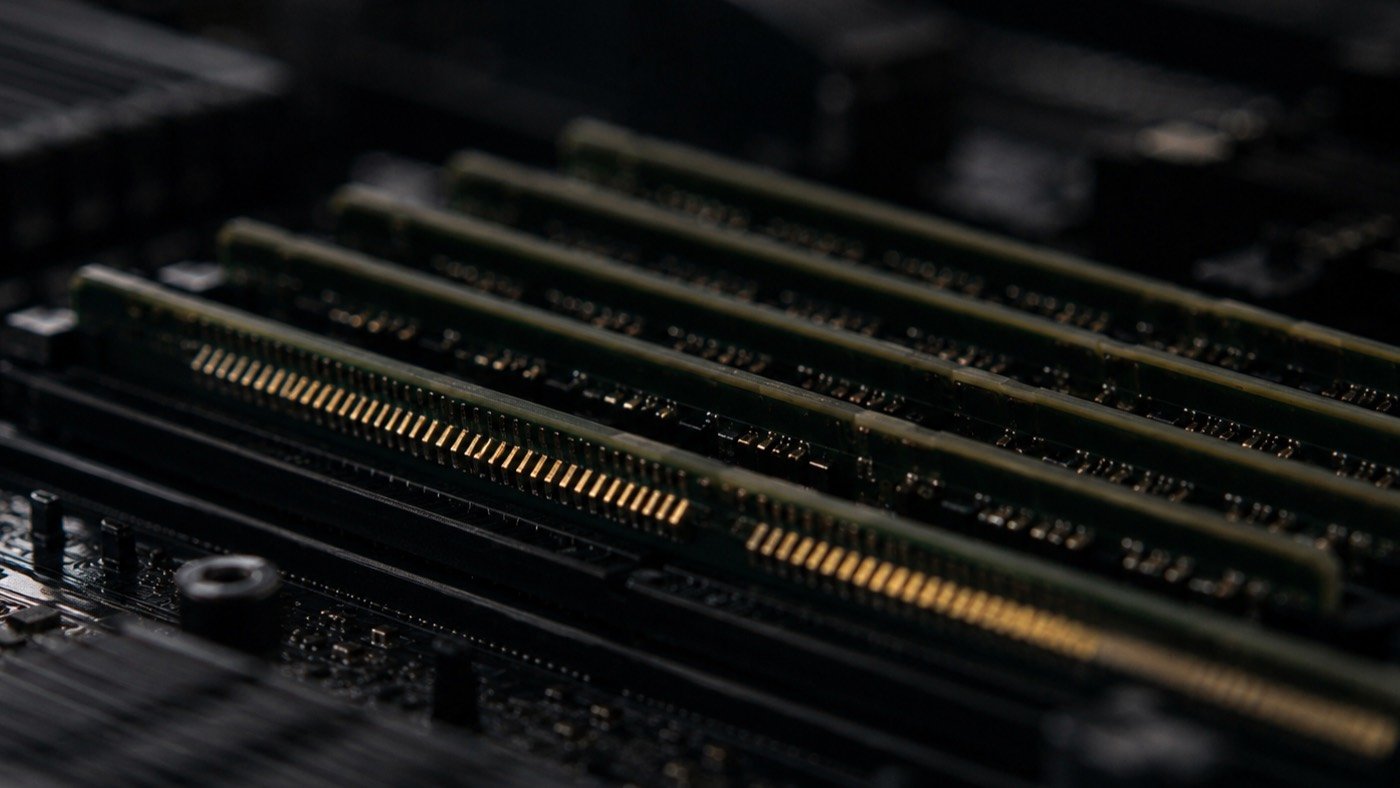
A chief executive guiding margin down while revenue accelerates is telling you that something on the cost side is moving faster than she can price for. On CNBC the following day, 5 August, she said what it is. The segment ran under her own words: memory is the new gold.
Why a networking company cares about memory
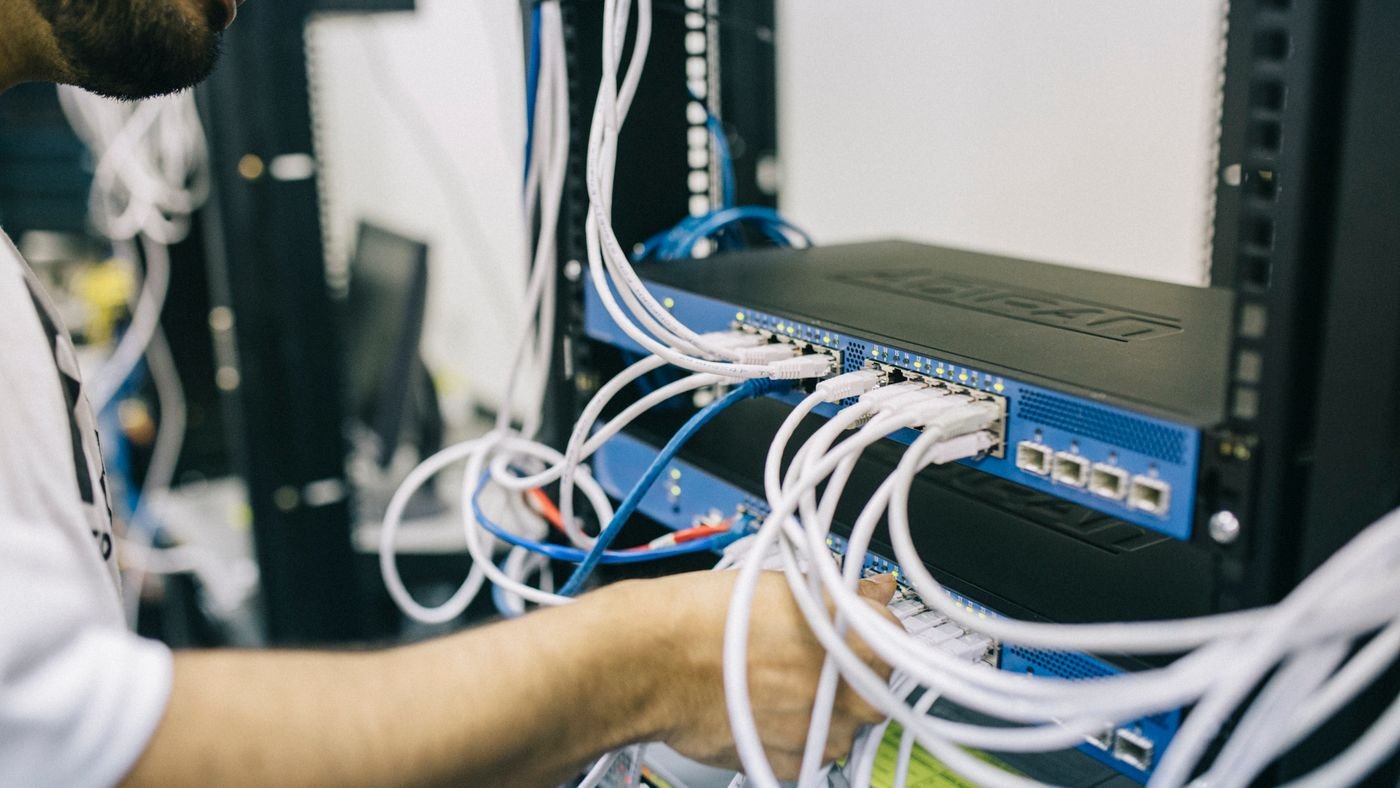
Switches are not usually thought of as memory-hungry products. The ones Arista is now selling are. In the same results release the company listed, as one of three quarter highlights, the introduction of 1.6 terabit AI fabric platforms including liquid-cooled options built for what it calls scale-up, scale-out and scale-across networks. Those are the boxes that sit inside AI data centres, and they carry deep packet buffers, which is memory, in a market where every large buyer of AI infrastructure is bidding for the same components.
So the position Ullal is in is the one every arms dealer to the AI build-out is in. Demand is not the problem. Her own guidance implies another quarter of roughly 9% sequential growth on top of a base that has grown 37.7% in a year. The problem is that the inputs are being repriced by a market she does not control, and she has said so publicly rather than absorbing it quietly and hoping.
The honest way to read the quarter
Arista’s chief financial officer, Chantelle Breithaupt, described the quarter as “strong, broad-based growth”, which it plainly was. The company was named to the 2026 Fortune 500 in the same release.
The thing worth watching is not whether the revenue arrives. On this trajectory it very likely does. It is whether 48 to 49% turns out to be the floor or the first step down. Arista has run non-GAAP operating margins in the high forties while its peers have not, and that gap is the entire investment case. A component shortage is the one force that flattens it without anybody making a bad decision.
Ullal has given a number and a date. In November the September quarter gets reported, and either the margin holds inside the band she guided or it does not. That is a cleaner test than most chief executives offer.
Sources
- Arista Networks, Arista Networks, Inc. Reports Second Quarter 2026 Financial Results, 4 August 2026, for the revenue, margin and earnings figures, the guidance, the Ullal and Breithaupt quotes and the 1.6 terabit platform announcement
- CNBC, Memory is the new gold, says Arista Networks CEO Jayshree Ullal, 5 August 2026
- Arista Networks, management team, for her current title, checked 26 August 2026