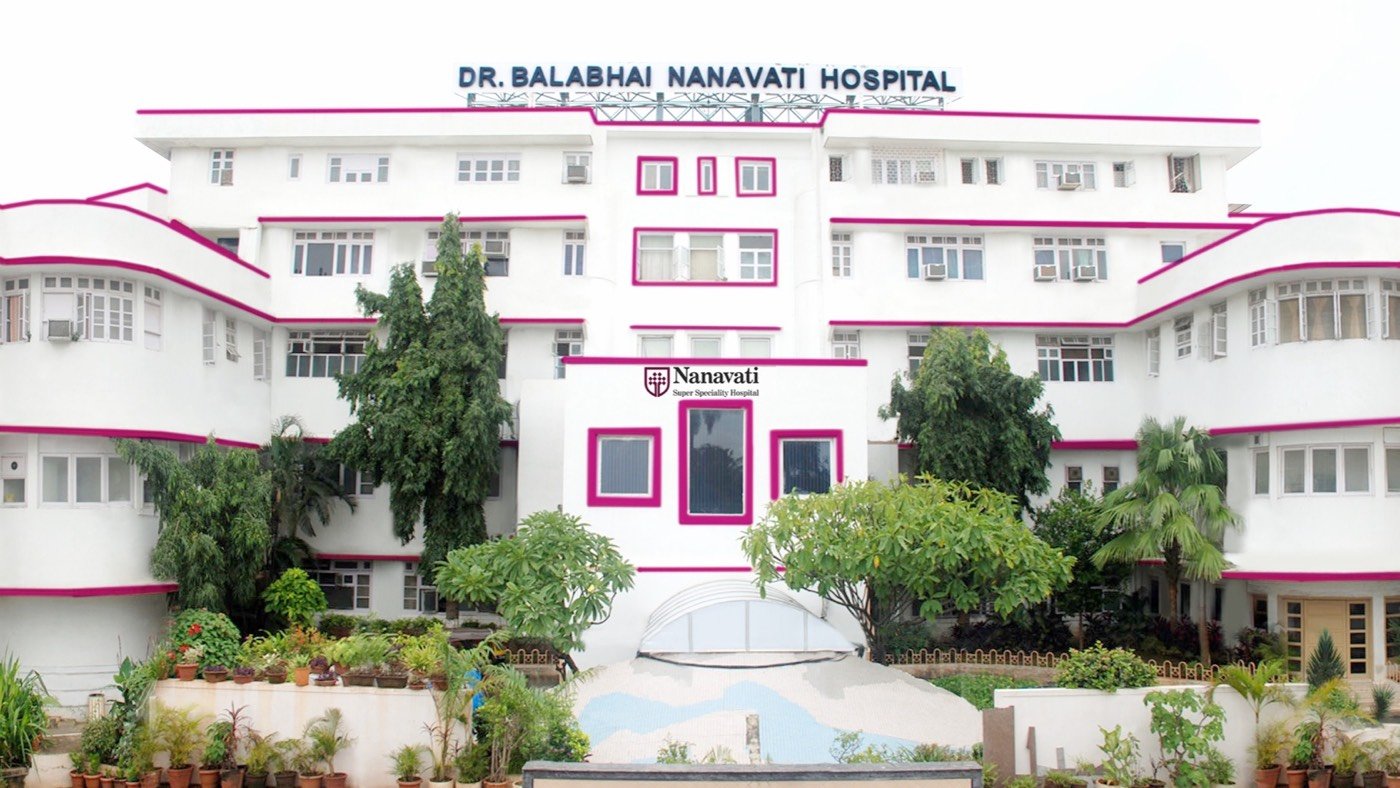
Nanavati hospital, Mumbai, photographed in 2015. Archive image, not a current view. Photograph: Nanavati Hospital / Wikimedia Commons, CC BY-SA 4.0; cropped.
Abhay Soi gave up the variable pay he had earned for 2025-26. Max Healthcare’s shareholders have now approved a framework that leaves his annual fixed pay unchanged and increases what he can earn through performance.
The result filed on 19 October records 97.162% of votes cast in favour of the remuneration resolution. The terms cover 19 June 2026 to 18 June 2028, the remainder of Soi’s existing term as chairman and managing director. This was a pay approval, not an extension of his tenure.
The fixed component does not rise
The notice’s comparison of existing and proposed terms keeps annual fixed remuneration at ₹28,16,92,500 for both 19 June 2026 to 18 June 2027 and 19 June 2027 to 18 June 2028. The increase sits entirely in the maximum variable component: ₹12,95,78,550 for the first period and ₹15,98,19,068 for the second.
Adding fixed and maximum variable pay gives ceilings of ₹41,12,71,050 and ₹44,15,11,568 respectively. Those are the notice’s fixed-plus-variable amounts, not guaranteed payouts or a valuation of every benefit. The notice lists perquisites, retirement benefits and reimbursements separately, and subjects aggregate remuneration to profit-linked limits.
What determines the payout
Revenue and EBITDA each carry 25% of the performance scorecard. The other half covers patient centricity, strategic growth, human capital and ESG. Patient centricity has a 22.5% weight and includes Net Promoter Score, clinical excellence and nursing excellence. Strategic growth carries 15%, human capital 10% and ESG 2.5%.
The framework requires achievement above 105% of approved performance parameters for the maximum variable-pay rating. The nomination and remuneration committee evaluates performance after the relevant financial year, and the committee and board retain discretion to reduce the payout, including to nil. Reaching the headline ceiling is therefore conditional on both the assessment and the final decision.
A second constraint comes from profitability. Aggregate remuneration in any financial year cannot exceed the lower of 5% of standalone net profit, calculated under Section 198 of the Companies Act, or 2.5% of consolidated profit before tax. The board’s explanation for including the consolidated measure is operational: much of Max’s hospital business sits in subsidiaries, and its acquisitions and their integration are part of the chief executive’s remit.
The waiver belongs to one year
For 2025-26, the notice says Soi achieved 96.50% against his approved parameters and became eligible for ₹6,76,06,200 of variable pay. He voluntarily waived the whole amount. The same disclosure calls that a one-time decision and says it creates no future contractual obligation.
The approval therefore leaves two separate records to follow: the amounts shareholders have authorised and the amount Soi ultimately receives. The notice commits Max to disclose the broad performance parameters and remuneration in the relevant annual report.
Sources
- Max Healthcare Institute, voting results and scrutiniser’s report, 19 October 2026. PDF pages 1 and 5: approval and Resolution 3 voting totals.
- Max Healthcare Institute, postal ballot notice dated 13 August 2026, circulated in September. PDF page 16 (printed pages 28 and 29): historical remuneration and waiver. PDF pages 19 and 20 (printed pages 34 to 37): fixed and variable terms, scorecard, profitability limits, perquisites and waiver explanation.