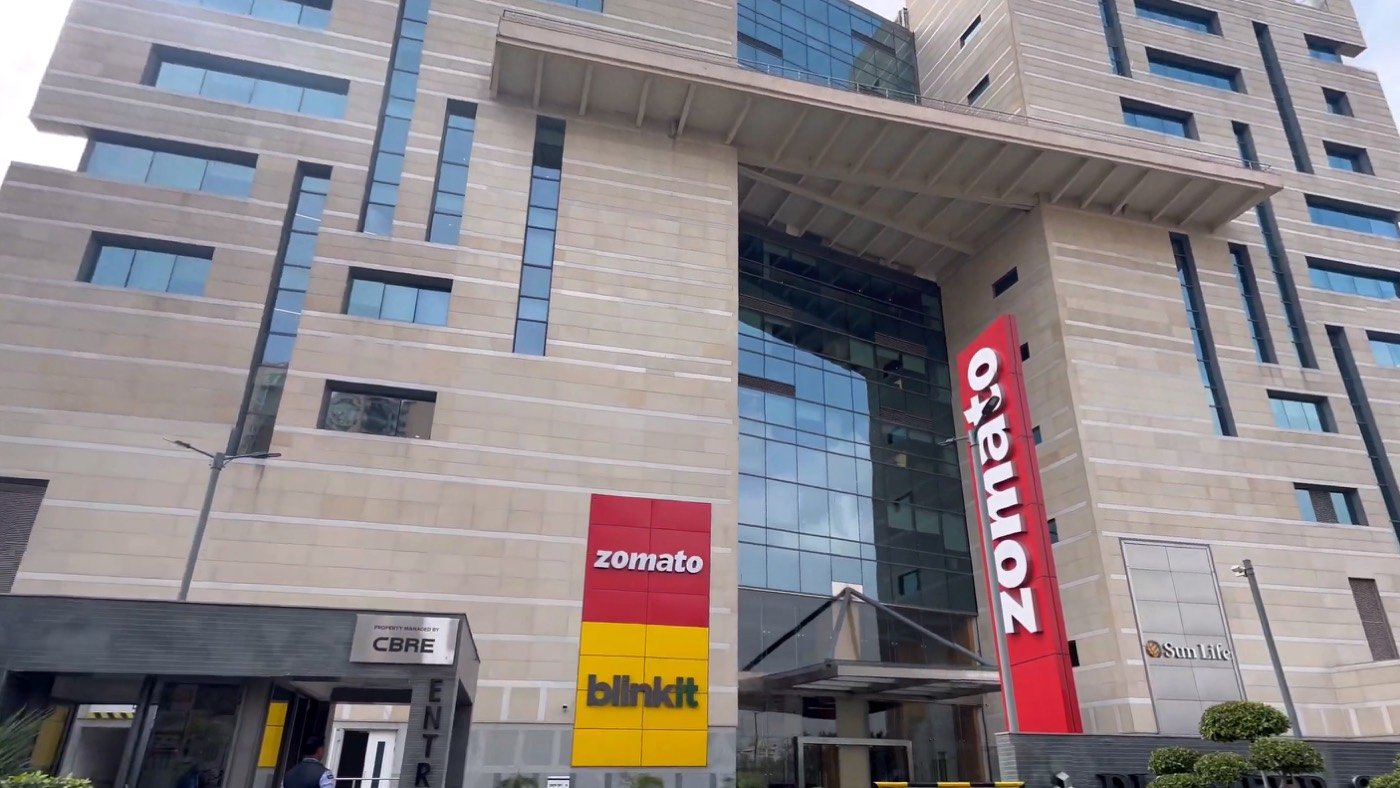
“Sadly, the IT industry, including Zoho, has not created many jobs in recent years. We have not laid off people, but we are not creating new jobs either.”
Sridhar Vembu wrote that on X on 2 August. The three words carrying the weight are “including Zoho”. Indian technology executives have spent two years being asked whether AI is destroying jobs, and the industry answer has settled into a shape: AI augments, it reallocates, it creates roles nobody has named yet. Vembu answered by counting his own company.
He is not Zoho’s chief executive. He stepped down in January 2025 and became chief scientist, handing the group to co-founder Shailesh Kumar Davey. The reason he gave at the time was “recent major developments in AI”, which he wanted to work on full time. Eighteen months later he is describing what that technology has done to the hiring line of the company he built.
Where the money went
Vembu was specific about the mechanism, which is what separates the post from commentary. “The money that would have gone to new employees is now going to AI and data center costs, the latter due to the steep rise in server and memory prices,” he wrote. “We are trying to control those costs but a lot of that is out of our control.”
That is a budget statement, not a forecast. It says the substitution has already happened, it happened through procurement rather than through redundancy, and a large part of it is being driven by hardware prices Zoho does not set. It also explains why the effect is hard to see from outside: a company that never announces layoffs and simply stops opening requisitions produces no headline at all.
The market data points the same way. Xpheno’s Active Tech Jobs Outlook for August 2026 put active openings in the IT sector at 44,000 roles, 6% below a year earlier, while total openings for tech roles across all industries stood at 1,09,000, 6% higher. Demand for technologists has not fallen. Demand from Indian IT companies has. HCLTech said it was putting ₹3,500 crore into AI data centres, having cut 3,300 jobs.
The question underneath
The harder line in the post has nothing to do with employment. “While AI allows us to produce more software quicker, does the over-saturated global software market need a lot more software?” Vembu asked. He went on to describe software drifting towards the economics of a commodity industry, where the contest moves to quality, reliability and brand, and growth slows down.
Coming from the founder of a software company that sells more than fifty applications to businesses in over a hundred and fifty countries, that is an unusual thing to put in writing. It concedes that the constraint on his industry may be demand rather than capability, and that faster production of software makes the problem worse rather than better.
He was equally unsentimental about where the displaced might go. “Extensive automation means that large scale manufacturing produces few jobs,” he wrote, closing the escape route Indian policy has leaned on for a decade. His own reading is that cheap production is ultimately good, since goods become affordable, and that the open question is how people end up with the income to buy them. On universal basic income he was blunt in a way that will not please much of Indian business: “Some people think the answer is Universal Basic Income (UBI) and some of that is already happening in India (we call them freebies). We can expect the political pressure to do a lot more.”
What it costs him to say it, which is not much
The candour is real and it is also cheap. Vembu no longer runs Zoho. A chief scientist can describe a hiring freeze that a group chief executive would have to defend to customers, recruits and the government, and the person answering for Zoho’s numbers is now Davey rather than him. Zoho is privately held and does not publish headcount the way the listed IT firms do, so his sentence is the only figure available on the subject, and it is not a figure.
None of that makes it wrong. It makes it testable, and it puts a marker down that can be checked against Zoho’s own hiring over the next few years by anyone who cares to. The forecast is the least interesting part of the post. The admission is the part worth keeping: an Indian software founder putting his own company inside the count instead of outside it.
Sources
- India Today, on the 2 August post, with the quotes on jobs, data centre costs, software saturation, automation and universal basic income, plus the Xpheno August 2026 openings data, 3 August 2026
- The Indian Express, on the same post and the reaction to it, August 2026
- The Hindu, on Vembu stepping down as chief executive to become chief scientist, with Shailesh Kumar Davey as group chief executive, 27 January 2025
- The Indian Express, on the January 2025 transition and Zoho’s application count and customer base, 28 January 2025